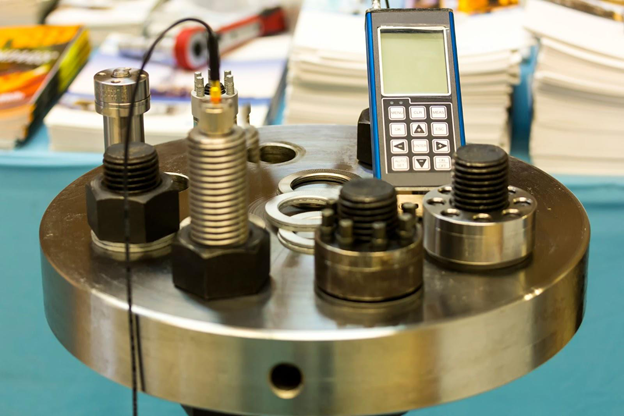
Load cells are one of those components most people never think about until something feels “off.” A reading doesn’t look right, weights fluctuate, or numbers don’t match what’s expected. In many cases, the problem isn’t the load cell itself. It’s how it was installed.
Installation issues are more common than people realise. Even a solid, well-made load cell can give unreliable results if it’s fitted poorly. The good news is that most problems are avoidable once you understand where things usually go wrong.
Rushing the setup from the start
One of the biggest mistakes happens before the load cell even goes into place. Installation is often treated as a quick step at the end of a project. The frame is built, the equipment is ready, and the load cell is dropped in without much checking.
Small details matter here. Uneven surfaces, twisted mounts, or leftover debris can all affect how force is applied to the load cell. If the load isn’t travelling straight through the sensor, readings can drift or jump around. Taking a bit of extra time early on can save hours of troubleshooting later.
Poor alignment and off-centre loading
Load cells are designed to measure force in a very specific direction. When weight is applied off-centre or at an angle, accuracy suffers. This is a common issue in platforms, hoppers, and industrial frames where movement or vibration is involved.
Even slight misalignment can create uneven pressure. Over time, this can also lead to physical wear on the load cell. Making sure the load path is straight and centred helps keep readings stable and extends the life of the equipment.
Ignoring movement and expansion
Many installations forget to allow for natural movement. Metal expands and contracts with temperature changes, and machinery can shift slightly during operation. If a load cell is clamped too tightly or boxed in with no room to move, those forces can interfere with readings.
This is especially important in outdoor or industrial environments. Allowing controlled movement through proper mounting hardware helps the load cell do its job without fighting against the structure around it.
Cable handling mistakes
Cables might not seem important, but they cause plenty of problems. Pinched, stretched, or poorly routed cables can introduce noise into the signal or cause intermittent faults that are hard to trace.
Running cables alongside power lines or near motors can also create interference. Simple steps like using proper cable protection, gentle bends, and clear separation from electrical noise sources can make a noticeable difference.
Skipping calibration after installation
Even a perfect mechanical setup still needs calibration. Some people assume a factory-calibrated load cell will work straight out of the box once installed. In reality, installation conditions change how forces are applied.
Calibrating after installation ensures the readings reflect real-world conditions. This step is often overlooked during load cell installation, but it’s one of the most important parts of the process for achieving reliable results.
Overloading during testing
Testing is essential, but it can also cause damage if done carelessly. Applying loads beyond the rated capacity, even briefly, can affect accuracy or permanently damage the load cell.
It’s tempting to “push it a little” just to see how the system behaves. Sticking within safe limits during testing protects the sensor and keeps performance consistent over time.
Environmental factors that get missed
Dust, moisture, heat, and vibration all play a role in how a load cell performs. An installation that works well in a clean workshop may struggle on a factory floor or outdoor site.
Using suitable protection and choosing mounting locations wisely helps reduce exposure to harsh conditions. Small adjustments, like adding shielding or relocating a sensor slightly, can improve long-term reliability.
Not checking the surrounding structure
Sometimes the issue isn’t the load cell at all, but the structure around it. Flexible frames, loose bolts, or worn components can cause shifting loads that confuse the sensor.
Before blaming the electronics, it’s worth checking that everything around the load cell is solid and secure. A stable structure gives the load cell a fair chance to perform accurately.
Forgetting ongoing checks
Installation isn’t a one-time job. Over months or years, things change. Bolts loosen, cables wear, and loads increase as operations evolve.
Regular inspections help catch small issues before they turn into major problems. Keeping an eye on alignment, mounts, and cables ensures consistent performance long after installation day.
Wrapping it all together
Most load cell problems don’t come from faulty equipment. They come from small oversights during installation that add up over time. Paying attention to alignment, movement, cabling, and calibration makes a huge difference in day-to-day accuracy.
Taking care during setup and choosing quality load cells gives you a solid foundation for reliable measurements and fewer headaches down the line. For expert support and proven solutions, Meltrons Australia continues to help businesses across Sydney and beyond get their weighing systems right the first time.